Butterfly valves are one of the most commonly used industrial valves in pipelines and flow control systems. They are simple, compact, easy to operate, and suitable for different industries. From water treatment plants to power stations, butterfly valves help control the movement of liquids, gases, and slurries.
In this guide, you will learn what a butterfly valve is, how a butterfly valve works, butterfly valve types, applications, advantages, limitations, seat materials, maintenance, and installation methods in simple language.
What Is a Butterfly Valve?
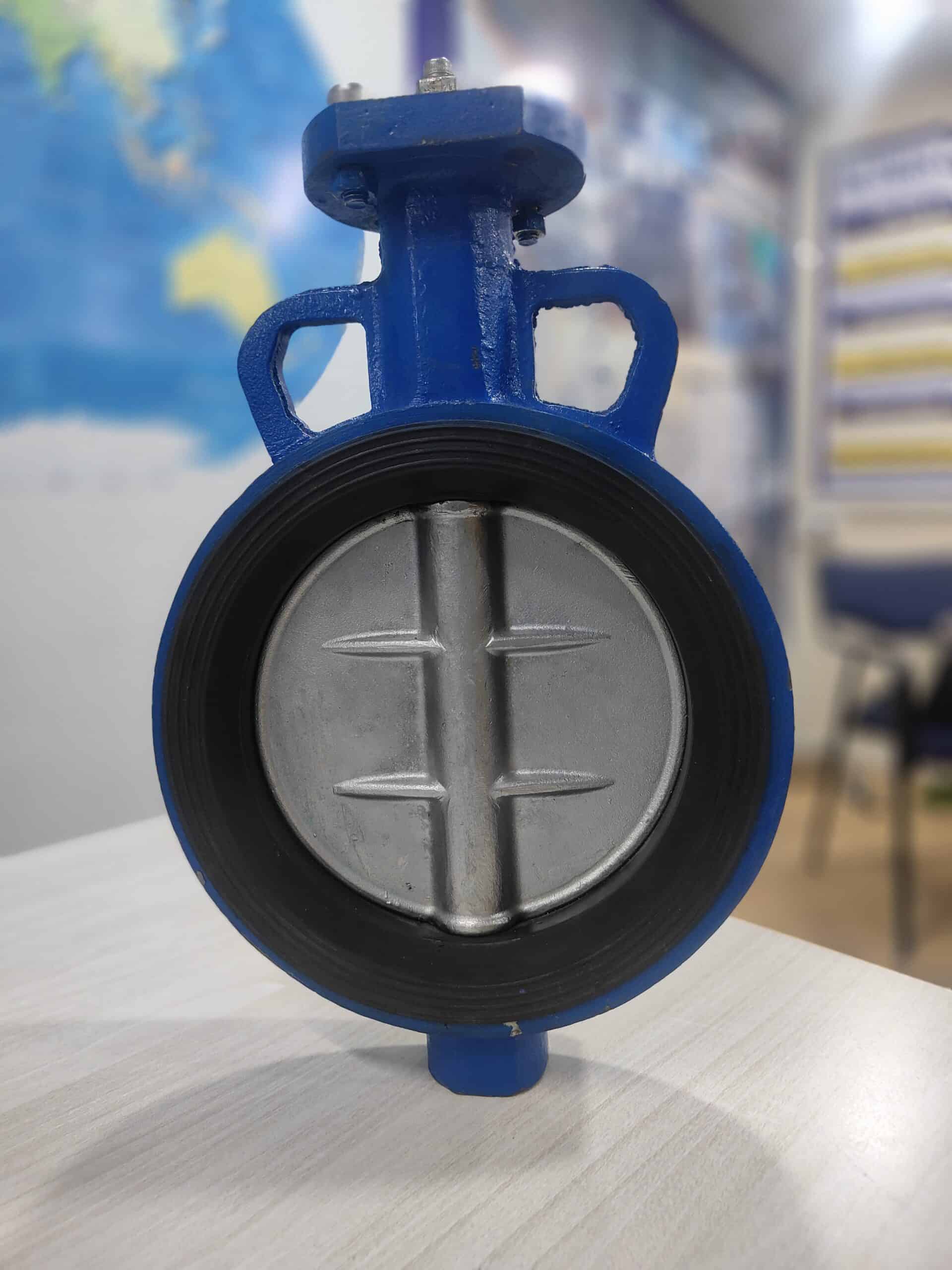
A butterfly valve is a quarter-turn valve used to control or stop the flow of fluid in a pipeline. It works using a rotating disc mounted inside the valve body. When the disc rotates, it either allows or blocks the flow.
The name “butterfly valve” comes from the butterfly-like movement of the disc during operation.
Butterfly valves are popular because they are:
- Compact in design
- Lightweight
- Easy to install
- Fast in operation
- Cost-effective
- Suitable for large pipe sizes
These valves are widely used for flow control and isolation in industrial systems.
How Does a Butterfly Valve Work?
The butterfly valve working principle is simple.
A disc is placed inside the valve body and connected to a stem. When the handle, gearbox, pneumatic actuator, or electric actuator rotates the stem, the disc moves.
Valve Closed Position
When the disc is turned perpendicular to flow, it blocks the passage and stops fluid movement.
Valve Open Position
When the disc rotates parallel to flow, fluid moves freely through the pipeline.
Since butterfly valves only require a 90-degree turn, they are called quarter-turn valves.
This quick operation makes them suitable for industries where fast opening and closing are needed.
Where Are Butterfly Valves Used?
Butterfly valves are used in many industries because of their simple design and reliable performance.
Water and Wastewater Industry
Butterfly valves are widely used in water supply systems and wastewater treatment plants for flow regulation and isolation.
HVAC Systems
Heating, ventilation, and cooling systems use butterfly valves to manage water circulation and temperature control.
Cement Industry
Cement plants use butterfly valves for material handling, dust control, and process flow systems.
Power Plants
Power industries use butterfly valves to control steam, cooling water, and process systems.
Chemical Industry
Chemical plants use specially selected butterfly valves to handle chemicals safely.
Oil and Gas Industry
Butterfly valves help control fluids in pipelines and industrial systems.
What Are the Advantages of Butterfly Valves?
Butterfly valves provide many benefits in industrial applications.
Compact Design
These valves take less space compared to other valves.
Lightweight Construction
Butterfly valves are lighter, which makes handling and installation easier.
Fast Operation
Since they operate with a quarter-turn movement, opening and closing is quick.
Cost-Effective
Butterfly valves are affordable, especially for larger pipe sizes.
Low Maintenance
Their simple construction reduces maintenance requirements.
Easy Automation
Butterfly valves can easily work with electric or pneumatic actuators.
What Are the Limitations of Butterfly Valves?
Although butterfly valves offer many advantages, they also have some limitations.
- Not ideal for very high-pressure systems in some cases
- Disc remains inside flow path, causing slight pressure drop
- Some designs may not provide complete shutoff in extreme conditions
- Seat damage may happen due to improper operation
Selecting the correct butterfly valve type helps avoid these problems.
Butterfly Valve Types
There are different butterfly valve types designed for specific applications.
What Is a Wafer Type Butterfly Valve?
A wafer type butterfly valve is installed between two flanges.
It is one of the most compact and economical butterfly valve designs.
Benefits
- Lightweight
- Cost-effective
- Easy installation
- Compact design
Applications
- Water systems
- HVAC systems
- General industrial pipelines
What Is a Lug Type Butterfly Valve?
A lug type butterfly valve contains threaded inserts called lugs.
These lugs allow easy installation and maintenance.
Benefits
- Easy maintenance
- Strong mounting system
- Suitable for end-of-line service
Applications
- Industrial pipelines
- Chemical plants
- Isolation systems
What Is a Double Flanged Butterfly Valve?
A double flanged butterfly valve contains flanges on both sides.
This design provides strong support for larger pipelines.
Benefits
- Strong installation
- Better alignment
- Suitable for heavy-duty systems
What Is a Concentric Butterfly Valve?
A concentric butterfly valve has a centered disc and seat arrangement.
It is commonly used for low-pressure and general applications.
Benefits
- Cost-effective
- Easy maintenance
- Reliable sealing
Applications
- Water treatment
- HVAC systems
What Is a Double Offset Butterfly Valve?
Double offset butterfly valves use two offset positions to reduce friction.
This design improves sealing and increases service life.
Benefits
- Reduced seat wear
- Better sealing
- Suitable for higher temperatures
What Is a Triple Offset Butterfly Valve?
Triple offset butterfly valves are advanced butterfly valves designed for demanding applications.
The disc movement reduces seat friction and improves sealing.
Benefits
- Metal-to-metal sealing
- High temperature resistance
- Better performance in critical systems
When Should Triple Offset Butterfly Valves Be Used?
Triple offset butterfly valves should be used in:
- High-temperature systems
- High-pressure pipelines
- Steam systems
- Critical industrial applications
Butterfly Valve Material & Seat Selection
Choosing the right seat and material is important for valve performance.
What Is EPDM Seat in Butterfly Valve?
EPDM is a rubber seat material commonly used for water applications.
Best For
- Water systems
- Wastewater systems
- Mild chemicals
Advantages
- Good flexibility
- Affordable cost
- Long life
What Is PTFE Seat in Butterfly Valve?
PTFE seats provide excellent chemical resistance.
Best For
- Chemical handling
- Corrosive fluids
Advantages
- High chemical resistance
- Better durability
What Is NBR Seat in Butterfly Valve?
NBR is suitable for oil and petroleum-based applications.
Best For
- Oil systems
- Fuel applications
Which Butterfly Valve Seat Is Best for Chemicals?
PTFE seats are usually considered best for chemical applications because they resist corrosion and aggressive chemicals.
Which Butterfly Valve Seat Is Best for Water?
EPDM seats are widely used in water and wastewater systems.
Which Disc Material Is Best for Butterfly Valves?
Common disc materials include:
- Stainless Steel
- Ductile Iron
- Carbon Steel
- Aluminum Bronze
The best material depends on pressure, temperature, and media type.
Cast Iron vs Ductile Iron Butterfly Valve
Cast Iron Butterfly Valve
- Lower cost
- Suitable for general applications
Ductile Iron Butterfly Valve
- Higher strength
- Better durability
- Longer life
Butterfly Valve Comparison
Understanding valve comparison helps choose the right valve.
Butterfly Valve vs Ball Valve – Which Is Better?
Butterfly Valve
- Lightweight
- Cost-effective
- Suitable for larger sizes
Ball Valve
- Better shutoff
- Higher pressure performance
Choose based on system requirements.
Butterfly Valve vs Gate Valve – Which Is Better?
Butterfly Valve
- Faster operation
- Compact size
Gate Valve
- Better for full flow systems
Wafer vs Lug Butterfly Valve – What Is the Difference?
Wafer Type
- Compact
- Economical
Lug Type
- Easier maintenance
- Better isolation
Metal Seated vs Soft Seated Butterfly Valve
Metal Seated
- High temperature resistance
Soft Seated
- Better sealing for normal applications
Butterfly Valve Problems & Maintenance
Proper maintenance increases valve life.
Why Does Butterfly Valve Leak?
Common reasons include:
- Damaged seat
- Improper installation
- Worn sealing parts
What Causes Seat Damage in Butterfly Valves?
Seat damage may happen due to:
- High temperature
- Abrasive particles
- Wrong material selection
How to Maintain Butterfly Valves?
Follow these simple steps:
- Clean regularly
- Check seals and seat condition
- Lubricate moving parts
- Inspect leakage
Can Butterfly Valves Be Used for Throttling?
Yes, butterfly valves can control flow in throttling applications, but correct valve selection is important.
What Are Common Butterfly Valve Failures?
Some common problems include:
- Leakage
- Seat wear
- Disc damage
- Stem problems
Regular inspection helps prevent failures.
Butterfly Valve Installation & Automation
Correct installation improves performance.
How to Install Butterfly Valve Correctly?
- Check valve direction
- Align flanges properly
- Tighten bolts evenly
- Test operation before use
What Is a Pneumatic Butterfly Valve?
A pneumatic butterfly valve uses compressed air for operation.
Benefits
- Fast operation
- Suitable for automation
What Is an Electric Butterfly Valve?
Electric butterfly valves use electric actuators.
Benefits
- Remote operation
- Easy automation
Gear Operated vs Lever Operated Butterfly Valve
Gear Operated
Best for larger valves.
Lever Operated
Best for smaller valves.
How to Choose Actuator for Butterfly Valve?
Choose based on:
- Valve size
- Pressure requirement
- Automation need
- Operating environment
Conclusion
Butterfly valves are important flow control devices used in many industries. Their compact design, easy operation, low maintenance, and cost-effectiveness make them a preferred choice.
Understanding butterfly valve types, working principle, seat materials, installation methods, maintenance practices, and applications helps industries choose the right valve for better performance and long service life.
Whether used in water treatment, cement plants, chemical industries, HVAC systems, or power plants, butterfly valves continue to provide efficient and reliable flow control solutions.
FAQs About Butterfly Valves
What is a butterfly valve used for?
Butterfly valves are used for controlling or stopping fluid flow in pipelines.
Can butterfly valves be used for throttling?
Yes, butterfly valves can regulate flow in many applications.
Which seat is best for water applications?
EPDM seats are commonly used for water systems.
Which butterfly valve is best for chemicals?
PTFE seated butterfly valves are preferred for chemicals.
What is the difference between wafer and lug butterfly valve?
Wafer valves are compact, while lug valves provide easier maintenance and isolation.